Cole Miller
Open the Hood: Modern Tools in an Artist’s Practice
Medium: Digital / mixed media (AI image and audio tools, laptops or tablets; participants’ own phones work)
Artists have always adopted new tools (the camera, the sampler, the drum machine) and every time, the question was the same: does the tool use you, or do you use the tool? In this program participants take a piece of their own existing work (a drawing, a photo, a poem, a voice memo) and push it through today’s generative tools with intention, learning to steer, edit, reject, and remix rather than accept the first result. Along the way we talk honestly about authorship, bias, and what these systems are actually doing under the surface. Participants leave with a finished piece, a personal set of rules for when and how they will use these tools, and the confidence to treat AI as one more instrument in their kit rather than a black box. Runs as a single 2-hour session or a 4-week series.
Addresses: Critical thinking · Teaching for Artistic Behavior (TAB) · Studio Habits of Mind · STEAM · Culturally responsive · Social emotional learning (SEL)
Groups: Schools (ms/hs) · Youth 18-25 · Community groups · Libraries · Veterans · Autistic folks
Resource: Project Zero Thinking Routines, “See, Think, Wonder”: https://pz.harvard.edu/thinking-routines (participants use it to interrogate any AI output before accepting it)
Beat Lab: Making Music from Samples
Medium: Music production / audio (Ableton Live or free DAW; headphones; can run on iPads with free apps)
Every beat starts with listening. In Beat Lab, participants learn to hear music as material by chopping a sample, building a drum pattern, and finding a bassline that does something unexpected, then assemble a finished instrumental from scratch. We work in the tradition of hip-hop producers who built new music from records their parents owned, so the program doubles as a listening history: where the sample came from, who made it, and what it means to carry it forward. No musical training required; the only prerequisite is an ear and an opinion. Sessions move from a group build (everyone works the same sample) to individual beats, ending with a listening session where each participant presents their track and the group responds. Participants leave with an exported beat and the basic vocabulary of production.
Addresses: Building collaboration and community skills · Social emotional learning (SEL) · Culturally responsive · Studio Habits of Mind · Critical thinking · STEAM
Groups: Schools (ms/hs) · Youth 18-25 · Community groups · Libraries · Veterans · Autistic folks · Hospitals (outpatient)
Resource: Ableton “Learning Music”: https://learningmusic.ableton.com (free, browser-based, no install; participants keep building after the session)
Build Your Own Studio: Systems for Working Artists
Medium: Creative entrepreneurship / workflow design (whiteboard + laptop; no software prerequisite)
Most artists don’t fail for lack of talent. They fail because nobody showed them how to run the back end. This program treats the artist’s practice as a small system: how work gets made, released, priced, tracked, and sustained. Participants map their own current workflow (even if it’s “post and pray”), identify where energy leaks out, and rebuild it using free and one-time-purchase tools (release platforms, simple automation, AI assistants for the boring parts) so that more time goes to the art. We cover independent distribution, the real numbers behind streaming and merch, and how to keep ownership of your work and your audience. Designed to pair with Arts Entrepreneurship coursework, but stands alone. Participants leave with a one-page operating plan for their practice and a list of tools they actually need.
Addresses: Critical thinking · Building collaboration and community skills · STEAM · Social emotional learning (SEL) · Other: creative entrepreneurship / career readiness
Groups: Youth 18-25 · Schools (hs) · Community groups · Libraries · Veterans
Resource: The Creative Independent Guides: https://thecreativeindependent.com/guides/ (free, artist-written guides on money, releasing work, and sustaining a practice)
Moving Pictures: Visual Storytelling with AI and 3D
Medium: Video / digital imaging (image-to-video tools, Blender, free editing software; laptops)
A short film used to need a crew, a camera, and a budget. Now a single artist with a laptop can storyboard, generate, animate, and cut a one-minute piece in an afternoon, if they know how to direct the tools instead of being directed by them. In this program participants write a three-beat story, build a visual look from their own reference images, generate and animate shots, and edit them into a finished short with sound. We spend real time on the craft that the tools can’t supply: framing, pacing, color, and what makes a cut land. Participants also confront the hard questions: whose images trained these models, what “original” means now, and how to make work that is unmistakably theirs. Participants leave with a finished 30 to 60 second film, a shot list they built, and a repeatable process. Runs as a 3-session series (story, build, cut).
Addresses: Critical thinking · STEAM · Studio Habits of Mind · Teaching for Artistic Behavior (TAB) · Building collaboration and community skills · Culturally responsive
Groups: Schools (ms/hs) · Youth 18-25 · Community groups · Libraries · Autistic folks
Resource: Kirby Ferguson, Everything is a Remix (free video series) https://www.everythingisaremix.info. The argument that all creative work builds on prior work, which frames the AI conversation honestly
About Cole MillerBio
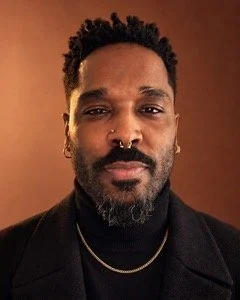
Cole Miller is a multimedia artist, music producer, and systems architect based in Salem, Oregon. Recording and performing as Anthony Arlene, he produces sample-driven hip-hop and R&B, engineers audio, and runs CNTRL//Radio, an independent broadcast and release platform. Through his studio, CNTRL//LABS, he builds creative workflows and AI-assisted production pipelines for artists and small businesses, the same tools he uses in his own practice. Cole has taught poetry, spoken word, and audio workshops for youth and adults with Seattle Parks and Recreation, KEXP, and Arts Corps, and studied music composition at the University of Washington. His work sits at the meeting point of Black musical tradition and emerging technology.
Artist Statement
I make things by taking what exists and bending it. A sample from a 1971 record, a photograph run through a model, a synthesizer patch nobody intended. My work starts with material that already carries a history and asks what happens when a new hand touches it. I come from hip-hop, where sampling was never theft but conversation, and I bring that same posture to the new tools: they are instruments, not oracles.
What I care about is agency. Most people my students’ age are already surrounded by AI, algorithms, and platforms that make decisions for them. I want them to open the hood. When a young person learns that a beat is just a decision made forty times in a row, or that an image model can be steered with intention, something shifts. They stop being an audience and start being an author. My practice, and my teaching, is about that shift.