Naomi Halpern
Papercut Illustration- Cut Paper & Color
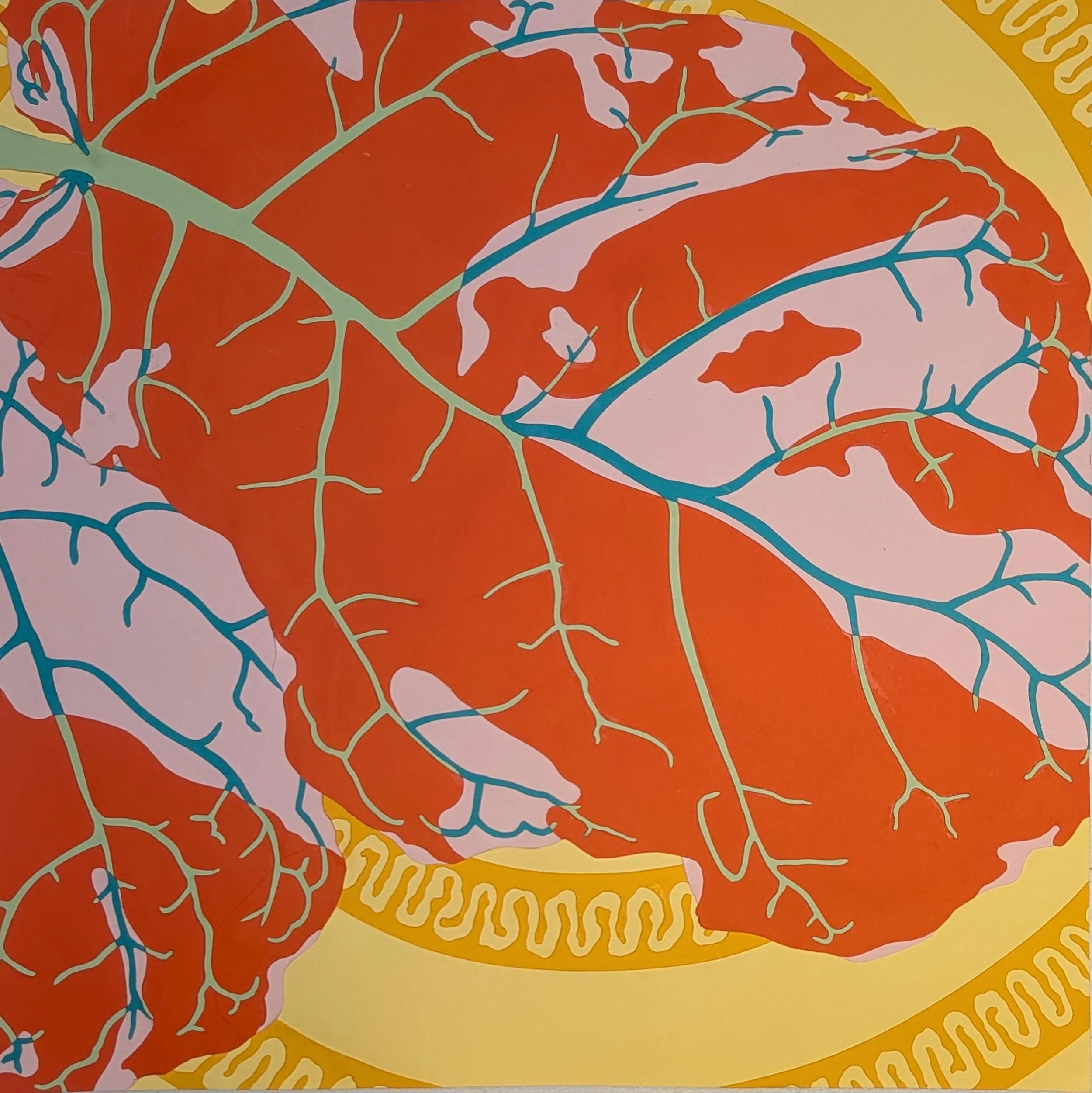
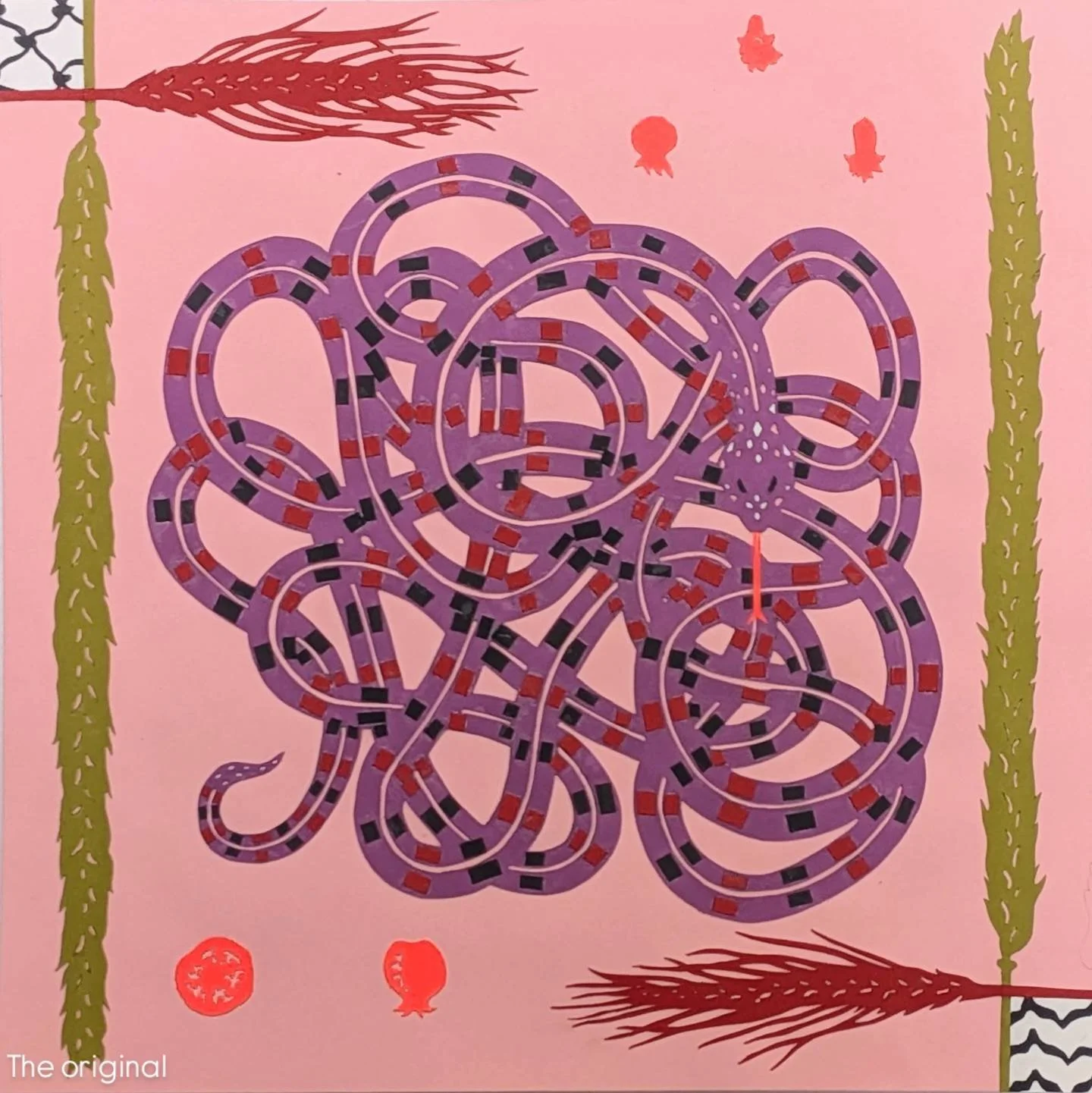
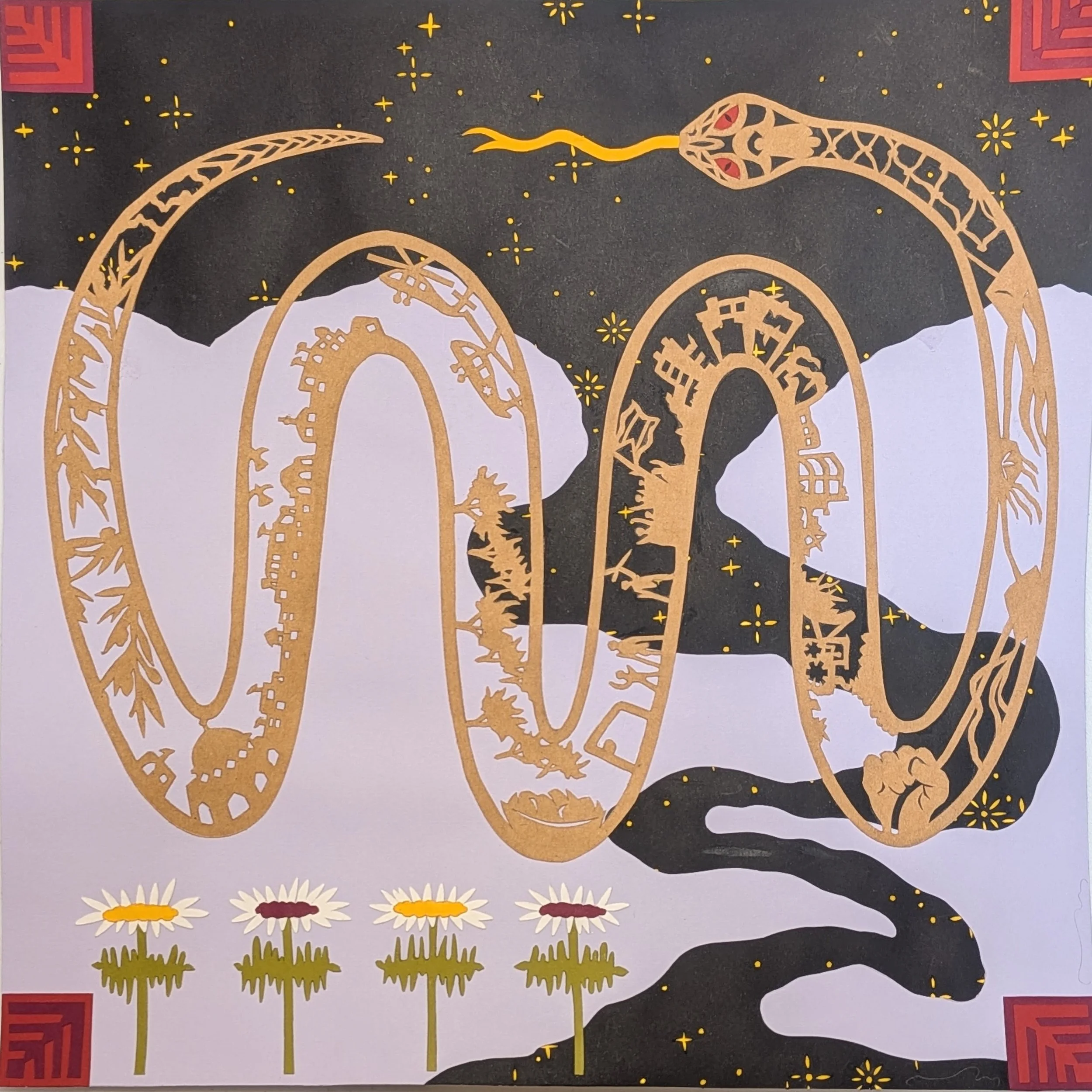
There are papercutting illustration traditions from all over the world, including Mexican papel picado, Chinese jianzhi, Filipino pabalát, Japanese kirikami, and Slavic wycinanki to name a few! Inspired by these traditions, we will draw and cut layered illustrations from colored paper. Instructor will guide participants on how to make a drawing that will transfer well to a papercut illustration, and teach different cutting techniques with scissors and xacto knives. Cutting lessons can be modified depending on dexterity and age of participants. To finish, we will glue our papercut layers together to create our final brightly colored paper illustrations!
90min- 4hours for a one-day workshop. Can be taught as a multi-day workshop up to 8 hours total.
Curriculum focuses on Critical thinking, Embodied learning, Culturally responsive teaching, Studio Habits of Mind
Good for: Schools (all ages), Youth 18-25, Hospitals and or cancer patients (outpatient or inpatient), Community groups, Autistic folks, Libraries, Veterans
Collaborative Paper Mosaic, "Stained Glass Window"
This workshop will take participants through from scratch papermaking, to adding colors to the paper formation process, to piecing cut paper elements together and constructing a collaborative mosaic or individual art pieces. Using abaca, cotton, and local cattail fibers, participants will learn to form sheet paper from plants via historical methods which began in current-day China almost 2000 years ago. We will mix mineral pigments into the pulp vats and make papers of varied colors. Once the sheets dry, we will cut them into a mix of geometric shapes and each participant will piece and glue together a square per their own composition. These compositions can then be saved as individual art pieces or fastened together to make one, collaborative art piece composed of all the individual pieces together. These mosaics are beautiful to hang in windows. The mineral pigments do not fade in sunlight and the backlighting shows of the texture of the plant fibers as well. Great for take-home art and for community installations.
2-4 days, 3-4 hours per day, depending on number of participants and scale of finished artwork.
Host site must have running water.
Curriculum focuses on Social emotional learning (SEL), Building collaboration and community skills, and Embodied learning
Good for: Schools (age 9+), Youth 18-25, Community groups, Libraries, Assisted living, Veterans
Papermaking Workshop, From Plant Fiber to Paper Sheet
Papermaking is an almost 2000 year old art form! Following these historical traditions, participants will make paper sheets from start to finish including: mixing a pulp vat, forming sheets with a mould and deckle, and drying sheets flat. Sheets will be made from a mix of recycled paper and plant fibers on site! Program expansion is available to include learning how to harvest and process local plant fibers into pulp to make paper partially or entirely from locally available plants. Program is hands-on and can include an overview of the history of papermaking and craft-specific tools and terminology. Paper will dry for 1-3 days after the workshop, at which point each participant will have 1-4 finished sheets of paper ready for however they want to use it next!
1 day, 4 hours. With program expansion, 2 days.
Host site must have running water. Can be taught indoors or outdoors.
Curriculum focuses on Social emotional learning (SEL, Critical thinking, Embodied learning, Studio Habits of Mind, STEAM
Good for: Schools (age 6+, program expansion 15+), Youth 18-25, Hospitals and or cancer patients (outpatient or inpatient), Community groups, Autistic folks, Libraries, Assisted living, Veterans
Paper History and Hands - On Library
Participants will learn about the history of papermaking and get hands-on experience touching the tools of the trade and various papers made from local plant fibers via these historical methods! Class will include an interactive lecture about the history of paper from China, to Southwest Asia, to Europe, and include discussion about other paper-like materials from around the world including: tapa from Polynesia, Papyrus from Southwest Asia and North Africa, and amate from Central America. We will talk about how paper is made, how it has been used over the centuries, and the types of plants that paper is made from and why. At the end, participants will get to view and interact with a paper library of various different sheets of handmade paper from many different plant species from near and far away from the Willamette Valley!
This program can be modified to be anywhere from 40min - 2.5 hours"
Curriculum focuses on Critical thinking, Embodied learning, Culturally responsive teaching, Studio Habits of Mind, STEAM
Good for: Schools (all ages), Youth 18-25, Hospitals and or cancer patients (outpatient or inpatient), Community groups, Autistic folks, Libraries, Assisted living, Veterans
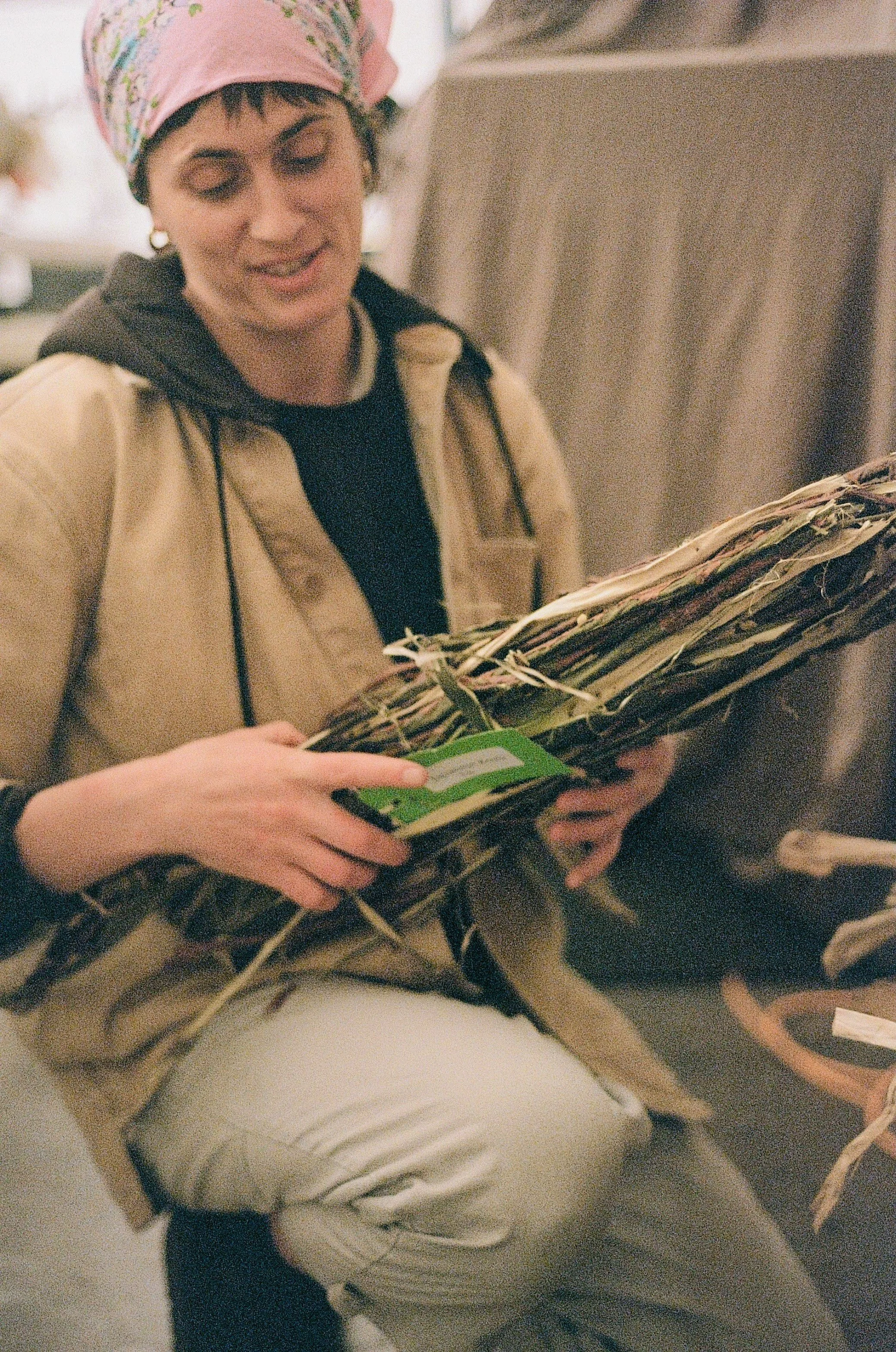
About NaomiNaomi comes to art with backgrounds in humanitarian rights, ecosystem survey, farming, and youth mental health. These disciplines weave together in their place-based art which centers belonging, observation, experimentation, and mutual tending. They first encountered hand papermaking in 2024 and fell in love with the whole process from harvest to finished sheet. They have been a teacher since 2009, and an arts teacher since 2022, with a focus on paper, inkmaking, collaborative sculpture, and storytelling. They live and make on Kalapuyan land, where they hope to precipitate community, ruckus, and healing through their art and arts facilitation.
Artist Statement
My art practice is slow, informed by place, and engaged with ancestral and modern craft lineages. I am interested in living closely to landscape and community, and how to practice place-based ancestral craft within a world of mass-migration, with respect to land and people present, past, and future. My primary mediums are paper and ink, for which I harvest the materials and handmake via historical methods, and apply in new ways like pulp paintings, illuminated cast sculptures, and papercut illustrations. My creative practice is founded in observation, relationship, and pattern recognition in human and more-than-human communities and I continue to be inspired by what is yet unmade.